
Secret to long happy life?
- Swarup Dutta

- Dec 7, 2025
- 2 min read

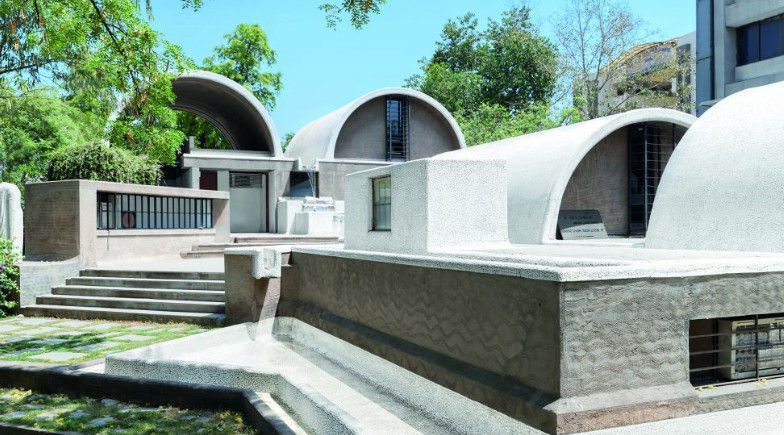
Doshi and Gehry: Two Pritzker Laureates, 95 Years of Architectural Purpose
A Shared Belief in Architecture as a Human Act
Few architects have lived as fully in their work as Balkrishna V. Doshi and Frank Gehry.
Gehry, whose Guggenheim Bilbao defined the architecture of its era and continues to inspire today, passed away on December 5th.
Both reached the remarkable age of 95, leaving behind bodies of work that have reshaped how we think about architecture—and its role in human life. Despite working in vastly different contexts, these two Pritzker laureates share a deep philosophical connection.
Both began under the influence of modernism—Doshi with Le Corbusier and Louis Kahn, Gehry absorbing the movement before challenging its rigidity. Yet both transcended strict formalism: Doshi prioritized climate, culture, and community; Gehry prioritized movement, emotion, and spatial experience. In every project, form was never an end in itself—it served people, place, and purpose.
Social responsibility was central to their work. Doshi championed affordable housing and educational campuses that uplift communities. Gehry revitalized cities through cultural projects like the Guggenheim Bilbao, turning architecture into a tool for civic engagement.
Both were lifelong teachers, shaping future generations of architects through universities, lectures, and mentorship.
Their longevity reflects more than health—it reflects patience, curiosity, and dedication. Recognition, including the Pritzker Prize, came naturally after decades of practice, but never defined their careers. For Doshi and Gehry, architecture was a lifetime of exploration, empathy, and human-centered design.
Even working well into their 90s, Doshi and Gehry devoted their lives to architecture with relentless curiosity and care—proving that a lifetime of dedication can be crowned with the highest honor, the Pritzker Prize.


Comments