
3 Townhouses on a 651sqm Block in Melbourne | Town Planning & VCAT Success Case


This project is a strong example of what can be achieved through strategic town planning, even on a constrained suburban site in Melbourne.
Jim and I previously collaborated on a complex heritage development, where we secured council approval to transform a neglected cottage into a high-end 7-star luxury home. The design included six bedrooms, a fully tiled in-ground concrete pool, and a large alfresco entertaining area—demonstrating how thoughtful planning can unlock significant value, even on restrictive sites. See the render and finished project!
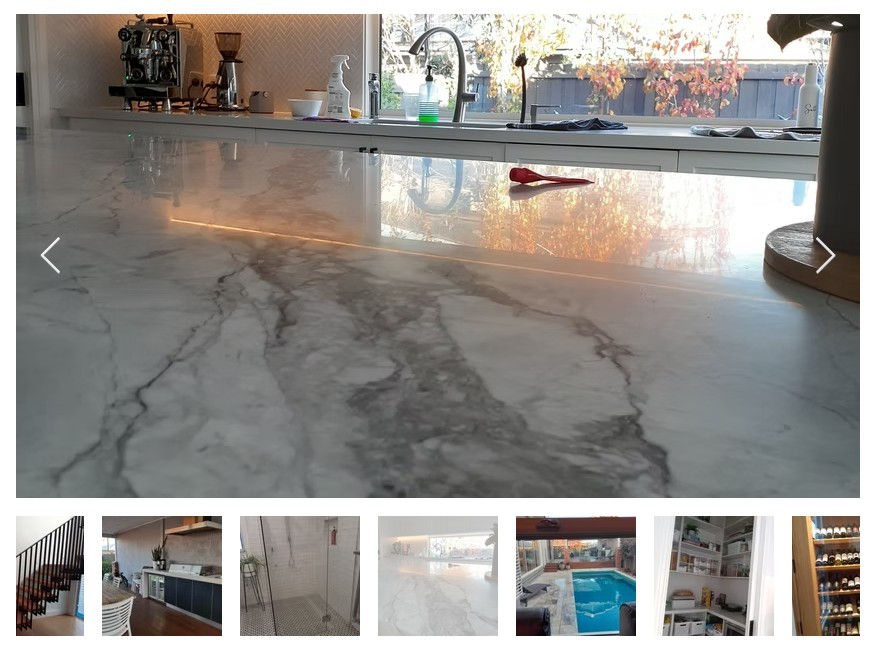
Building on that success, Jim approached me to assess the development potential of his next investment: a 651sqm vacant block in a non-corner location. A common question I receive from Melbourne property owners is: “Can I build three townhouses on my block?” In this case, the answer was yes—with the right planning strategy.
Through detailed site feasibility analysis, zoning interpretation, and design optimisation, we were able to secure a planning permit for three dwellings with north facing living areas and Private Open spaces.
While council required one of the townhouses to be configured as a two-bedroom dwelling, we turned the third bedroom into a large rumpus room to maintain functionality, flexibility, and strong resale appeal.
The outcome effectively delivered three, "three"-bedroom, high-quality residences aligned with market expectations.
As expected with medium-density developments in established neighbourhoods, the proposal faced objections from local residents concerned about overdevelopment. This resulted in a VCAT appeal, which extended the approval timeline. However, the strength of the planning justification, compliance with ResCode standards, and a well-resolved design ultimately led VCAT to support the development.
From an execution perspective, Jim undertook the construction himself, bringing a high level of precision and care to the build. The appointed Building Surveyor specifically commended the quality of workmanship and attention to detail—an important validation for any multi-dwelling project.
In terms of project timeline, construction was completed within approximately 15 months. The planning and approvals phase extended to around 18 months, primarily due to the VCAT process.
While this added time, it highlights a key reality in townhouse development in Victoria: well-prepared applications can succeed, even in the face of opposition, but developers should factor in potential delays.
For property owners and investors in Melbourne considering dual occupancy or townhouse development, this project reinforces several key insights:
A non-corner block can still support three dwellings with the right design approach.
Council constraints can often be managed through smart internal layout solutions.
VCAT can be a critical pathway when council decisions or objections create barriers.
Builder-led projects can achieve exceptional outcomes when quality is prioritised.
If you’re exploring whether your site can support a dual occupancy or multi-unit development, a detailed feasibility assessment is the first step. Every block has its own planning constraints and opportunities—and unlocking its full potential requires both technical expertise and strategic thinking.
Contact Swarup for your next development or if you are experiencing difficulties with planning approvals.
Frequently Asked Questions
Can you build 3 townhouses on a 651sqm block in Melbourne?
Yes, it is possible to build three townhouses on a 651sqm block in Melbourne, even if the site is not a corner lot. Success depends on zoning, orientation, site width, planning overlays, site layout, and compliance with ResCode (Clause 55). A well-prepared town planning application and efficient design are critical to achieving approval.
Do you need a corner block for a 3-unit development in Victoria?
No, a corner block is not mandatory. While corner sites offer easier access and design flexibility, non-corner blocks can still support three dwellings with careful planning, shared access design, and compliance with council requirements.
What happens if neighbours object to a townhouse development?
Neighbour objections are common in medium-density developments. If council refuses the application or conditions are contested, the proposal can be taken to VCAT (Victorian Civil and Administrative Tribunal). A strong planning justification and compliant design can lead to approval despite objections.
How long does it take to get townhouse development approval in Melbourne?
Town planning approval typically takes 6–12 months. However, if the project goes to VCAT due to objections or refusal, the process can extend to 12–18 months or longer depending on complexity.
Can council require design changes to your development?
Yes, councils may request design modifications to meet planning policies. For example, a three-bedroom townhouse may be required to be reduced to two bedrooms, but smart design solutions—such as adding a rumpus room—can maintain functionality and market appeal.
Is it worth going to VCAT for a townhouse project?
Yes, in many cases. If a proposal is well-designed and meets planning controls, VCAT can overturn council refusals or support developments despite objections. It is a key pathway for unlocking development potential in Victoria.


Comments